
Overview
Root Canal Treatment in Diamond Bar, CA
Relieve tooth pain, eliminate infection, and protect your natural smile with personalized root canal care.
A severe toothache, lingering sensitivity, or swelling around a tooth may indicate infection deep within the tooth structure. When bacteria reach the inner pulp of the tooth, treatment is often necessary to prevent worsening pain, abscess formation, or tooth loss. As part of our oral surgery services, root canal treatment is designed to remove infection, preserve the natural tooth, and restore comfort so patients can return to normal daily activities without ongoing discomfort.
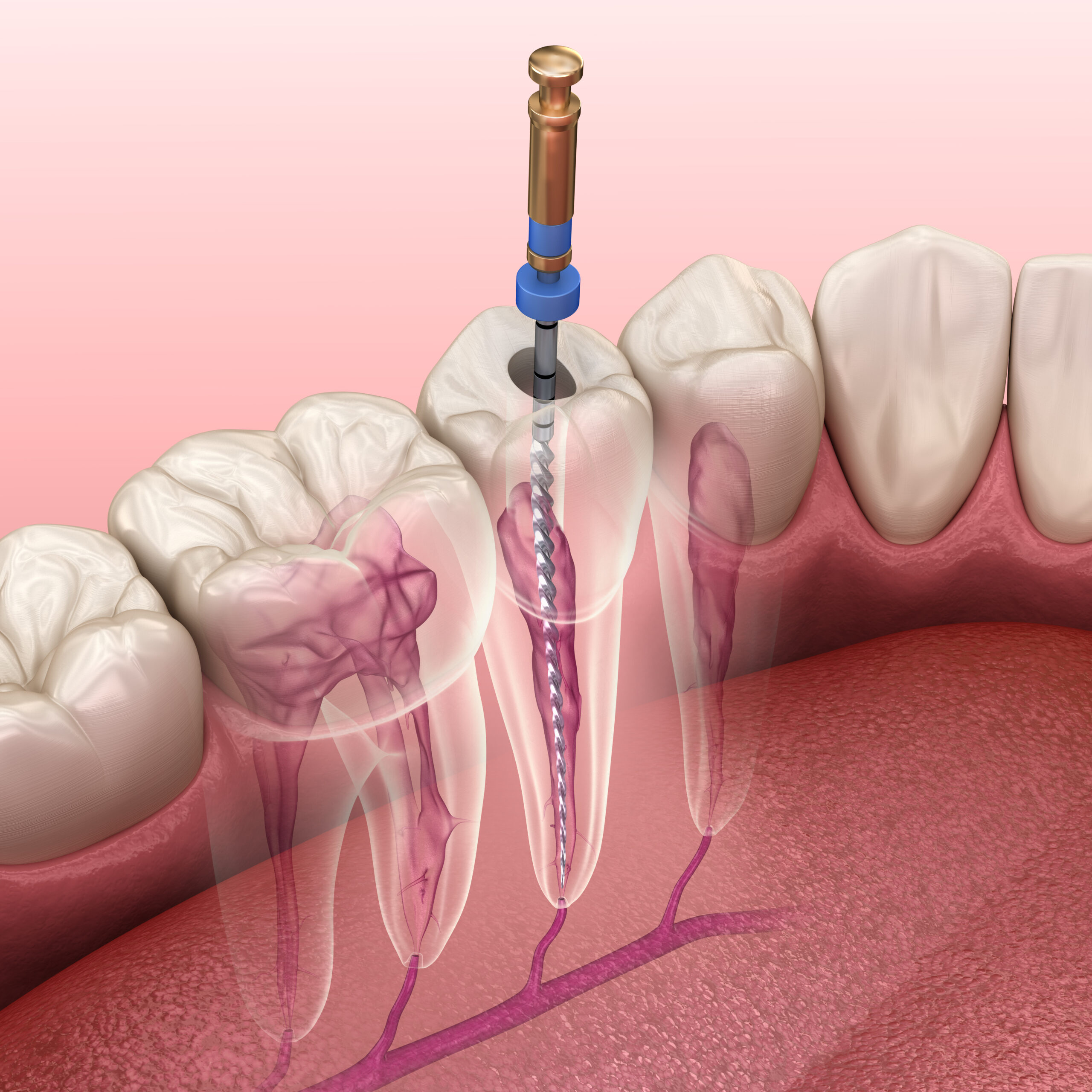
What Root Canal Treatment Is
Inside every tooth is a soft tissue called the pulp, which contains nerves, blood vessels, and connective tissue. When the pulp becomes inflamed or infected due to deep decay, cracks, trauma, or repeated dental procedures, the tooth can become extremely painful and vulnerable to serious infection.
Root canal treatment removes the damaged or infected pulp from inside the tooth. After the area is cleaned and disinfected, the canals are sealed to help prevent future infection. In many cases, the tooth is then restored with a dental crown to strengthen and protect it long term.
Signs You May Need a Root Canal
Tooth infections can develop gradually or suddenly depending on the underlying cause. One of the most common symptoms is persistent tooth pain, especially when chewing or applying pressure. Some patients experience lingering sensitivity to hot or cold temperatures that continues even after the stimulus is removed.
Swelling around the gums, tenderness near a tooth, or darkening of the tooth may also indicate internal infection. In more advanced cases, patients may develop an abscess or notice a small bump near the gums that drains fluid. Occasionally, a tooth may require treatment even without significant pain if infection is discovered during a routine dental examination.
Common Causes of Tooth Pulp Infection
Several dental conditions can lead to pulp damage and infection. Deep cavities are among the most common causes because bacteria can gradually penetrate through the enamel and dentin layers into the center of the tooth.
Cracked or fractured teeth may also expose the pulp to bacteria, even when the damage is not immediately visible. Trauma from sports injuries, accidents, or grinding habits can sometimes damage the nerve inside the tooth as well. In some cases, repeated dental procedures on the same tooth may irritate the pulp enough to eventually require root canal therapy.
The Root Canal Treatment Process
1
Consultation and Diagnosis
Root canal treatment begins with a comprehensive examination and digital imaging. During the consultation, we evaluate the affected tooth, surrounding bone, and signs of infection to determine whether root canal therapy is the most appropriate solution.
2
Cleaning the Infected Tooth
The area is thoroughly numbed using local anesthesia to maximize comfort during treatment. A small opening is created in the tooth to access the infected pulp tissue inside the canals. The damaged tissue is carefully removed, and the canals are cleaned and disinfected to eliminate bacteria and reduce the risk of reinfection.
3
Restoring the Tooth
After the root canal is completed, the tooth often requires additional restoration to strengthen and protect it. Depending on the amount of remaining structure, a dental crown may be recommended to restore durability and function.
Is Root Canal Treatment Painful?
Many patients associate root canal therapy with discomfort, but modern techniques and anesthesia make the procedure much more comfortable than its reputation suggests. In reality, root canal treatment is often performed to relieve pain caused by infection rather than create it.
Most patients describe the experience as similar to receiving a dental filling. After treatment, mild soreness or tenderness may occur for several days, especially if the tooth was severely inflamed beforehand. This discomfort is generally manageable with medication and gradually improves as healing progresses.
Benefits of Saving the Natural Tooth
Preserving a natural tooth whenever possible offers several important advantages for long-term oral health. A treated tooth continues functioning within the bite, helping maintain normal chewing ability and jaw alignment.
Saving the natural tooth also helps prevent neighboring teeth from shifting into empty spaces that can develop after tooth loss. Compared to tooth extraction and replacement options, root canal therapy is often a more conservative and efficient solution when the tooth can still be restored successfully.
Recovery After Root Canal Therapy
Most patients return to work, school, or regular activities shortly after treatment. Mild sensitivity or tenderness around the treated tooth is common during the first few days, especially when biting down.
Patients are generally advised to avoid chewing hard foods on the treated tooth until the final restoration is completed. Maintaining good oral hygiene, including brushing and flossing regularly, supports proper healing and long-term success.
Why Choose Seleit Dental for Root Canal Treatment
At Seleit Dental, patient comfort and individualized care remain central throughout every stage of treatment. We understand that many patients feel anxious about root canal therapy, particularly when experiencing pain or uncertainty about the procedure itself.
Our team takes time to explain the condition, answer questions thoroughly, and create treatment plans tailored to each patient’s needs. Advanced diagnostic technology allows us to identify infection accurately and provide treatment recommendations focused on preserving oral health whenever possible.
Reviews
What Diamond Bar Patients Are Saying
Real feedback from people in our community says more than we ever could.
FAQ's
Frequently Asked Questions
How do I know if I need a root canal?
Persistent tooth pain, prolonged sensitivity to temperature, swelling, or infection around a tooth may indicate the need for root canal therapy. A dental examination and imaging help confirm whether the pulp inside the tooth is infected.
Can a root canal save my tooth?
Yes. Root canal treatment is specifically designed to remove infection while preserving the natural tooth structure whenever possible. Saving the tooth often helps maintain normal function and alignment.
How long does root canal treatment take?
Treatment length depends on the complexity of the tooth and severity of infection. Some root canals are completed in a single visit, while others may require multiple appointments.
Is a crown always needed after a root canal?
Many teeth benefit from a dental crown after root canal treatment because the tooth may become weaker over time. Crowns help protect the tooth and restore strength for normal chewing.
What happens if I avoid root canal treatment?
Untreated tooth infections can worsen over time and may lead to severe pain, abscess formation, bone loss, or eventual tooth extraction. Early treatment helps prevent more serious complications.
Schedule Your Root Canal Consultation
If you are experiencing tooth pain, swelling, lingering sensitivity, or signs of infection, professional evaluation can help determine the best next step. Seleit Dental provides Root Canal Treatment Diamond Bar, CA patients rely on for compassionate care, modern treatment, and long-term oral health support.
Our office is located at 23525 Golden Springs Dr # D, Diamond Bar, CA 91765. During your consultation, we evaluate the affected tooth, review imaging, and explain all treatment options clearly before care begins.