
Overview
Tooth Extractions in Diamond Bar, CA
Safe, comfortable tooth removal can protect your oral health and relieve pain before problems worsen.
At Seleit Dental, we provide Tooth Extractions Diamond Bar, CA patients can trust for compassionate care and careful treatment planning. Every extraction begins with a thorough evaluation and digital imaging to determine the condition of the tooth, surrounding bone, and nearby structures. Whether you need a simple extraction or a more complex surgical procedure, our goal is to make treatment as comfortable and stress-free as possible.
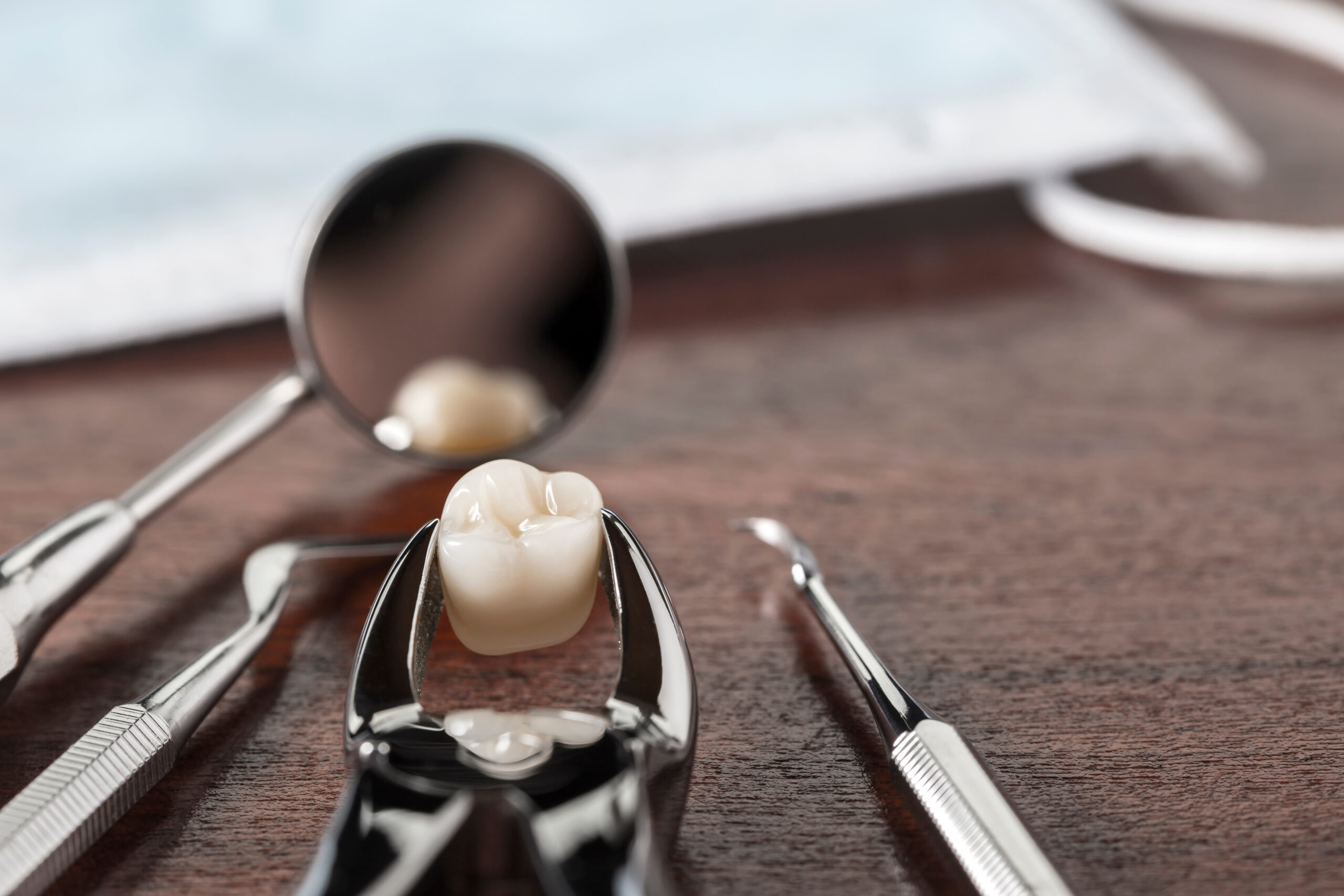
When Tooth Extractions Are Necessary
A tooth extraction may be recommended when a tooth is too damaged or infected to be repaired successfully. In many cases, treatments like fillings, crowns, root canals, or periodontal therapy can preserve a tooth. However, when the damage becomes extensive, removal may be the best long-term solution for protecting your oral health.
Common reasons for tooth extractions include severe tooth decay, fractured teeth below the gumline, advanced gum disease, overcrowding, impacted teeth, and infections that threaten surrounding tissue. Some extractions are also performed as part of orthodontic treatment to create space for proper alignment.
Signs You May Need a Tooth Extraction
Tooth pain is often the first indication that something may be wrong. Persistent sensitivity, swelling, or discomfort while chewing can signal infection, severe decay, or structural damage within the tooth. In some cases, patients notice loose teeth caused by advanced periodontal disease or trauma.
Swollen gums, facial swelling, abscesses, or recurring infections may also indicate that extraction is necessary. Some damaged teeth may crack or break unexpectedly, making restoration difficult or impossible depending on the extent of the fracture.
Simple vs. Surgical Tooth Extractions
A simple extraction is typically performed when the tooth is fully visible above the gumline and can be removed using specialized dental instruments. These procedures are often straightforward and completed with local anesthesia for patient comfort.
Surgical extractions are more complex and may be necessary for teeth that are broken beneath the gums, severely damaged, or impacted. In these situations, the gum tissue may need to be gently opened to access the tooth safely. Occasionally, the tooth is divided into smaller sections to allow for more controlled removal while minimizing disruption to surrounding tissue.
The Tooth Extraction Process
1
Consultation
Every tooth extraction begins with a detailed consultation and examination. Digital imaging helps us assess the tooth roots, surrounding bone, neighboring teeth, and any infection or structural concerns before treatment begins. We also review your symptoms, medical history, and treatment goals to determine the best approach for your care.
2
Extraction
On the day of the procedure, the area is numbed thoroughly with local anesthesia to keep you comfortable during treatment. Once the tooth and surrounding tissues are fully anesthetized, the tooth is carefully loosened and removed using precise techniques designed to minimize trauma to nearby structures.
3
Aftercare
After the extraction is completed, the area is cleaned carefully and gauze is placed to help control bleeding and support clot formation. Detailed aftercare instructions are provided to help promote proper healing and reduce the risk of complications. Most patients experience mild soreness and swelling for several days following treatment, which generally improves steadily with rest and proper care.
Recovery After Tooth Extractions
Healing after a tooth extraction is typically straightforward when post-operative instructions are followed carefully. During the first 24 hours, patients are encouraged to rest, avoid strenuous activity, and eat soft foods while the extraction site begins healing.
Some swelling and mild discomfort are normal during the initial healing period. Ice packs may help reduce swelling, and prescribed or over-the-counter medications can usually manage discomfort effectively. Patients are also advised to avoid smoking, drinking through straws, or disturbing the extraction site while healing progresses.
Replacing Missing Teeth After Extraction
In some situations, replacing an extracted tooth may be recommended to restore function, appearance, and bite stability. Missing teeth can sometimes lead to shifting of surrounding teeth, changes in bite alignment, and difficulty chewing properly over time.
Depending on your needs, replacement options may include dental implants, bridges, or dentures. During your consultation, we discuss whether tooth replacement is appropriate and review the options that best support your oral health goals.
Why Choose Seleit Dental for Tooth Extractions
At Seleit Dental, we understand that many patients feel nervous about oral surgery and tooth removal. Our team focuses on creating a calm, supportive environment where patients feel informed and comfortable throughout the treatment process.
Advanced imaging technology allows us to evaluate teeth accurately and identify potential complications before treatment begins. Every recommendation is based on your individual oral health needs rather than a one-size-fits-all approach.
Reviews
What Diamond Bar Patients Are Saying
Real feedback from people in our community says more than we ever could.
FAQ's
Frequently Asked Questions
Are tooth extractions painful?
Tooth extractions are performed using local anesthesia to keep patients comfortable during treatment. Most patients experience pressure rather than pain during the procedure. Mild soreness afterward is common and usually manageable with medication and proper aftercare.
How long does it take to recover from a tooth extraction?
Most patients return to normal activities within a few days. Initial healing typically occurs within one to two weeks, while complete healing of the bone and gum tissue takes longer depending on the complexity of the extraction.
When is a tooth extraction necessary?
A tooth extraction may be necessary when a tooth is severely decayed, infected, fractured, loose from gum disease, impacted, or too damaged to be restored successfully with other treatments.
What can I eat after a tooth extraction?
Soft foods are generally recommended during the first several days after treatment. Foods like yogurt, soup, mashed potatoes, smoothies, and eggs are often easier to eat while the extraction site heals.
Will I need to replace the extracted tooth?
In many cases, replacing a missing tooth is recommended to maintain proper bite alignment and oral function. Treatment options may include dental implants, bridges, or dentures depending on your individual situation.
Schedule Your Tooth Extraction Consultation
If you are experiencing tooth pain, swelling, infection, or damage that may require removal, scheduling an evaluation is the next step toward relief and improved oral health. Seleit Dental provides Tooth Extractions Diamond Bar, CA patients can rely on for careful treatment planning and compassionate care.
Our office is located at 23525 Golden Springs Dr # D, Diamond Bar, CA 91765. During your consultation, we review your symptoms, evaluate digital imaging, and explain all available treatment options before moving forward with care.