
Overview
Wisdom Teeth Removal in Diamond Bar, CA
Relief from pain, swelling, crowding, and impacted wisdom teeth starts with the right evaluation.
Wisdom teeth are the final set of molars to emerge, usually appearing in the late teens or early twenties. While some patients never experience problems, many develop pain, swelling, crowding, infections, or impacted teeth that cannot erupt properly. As part of our oral surgery services, wisdom teeth removal is often recommended before these complications become more serious or begin affecting surrounding teeth and gums.
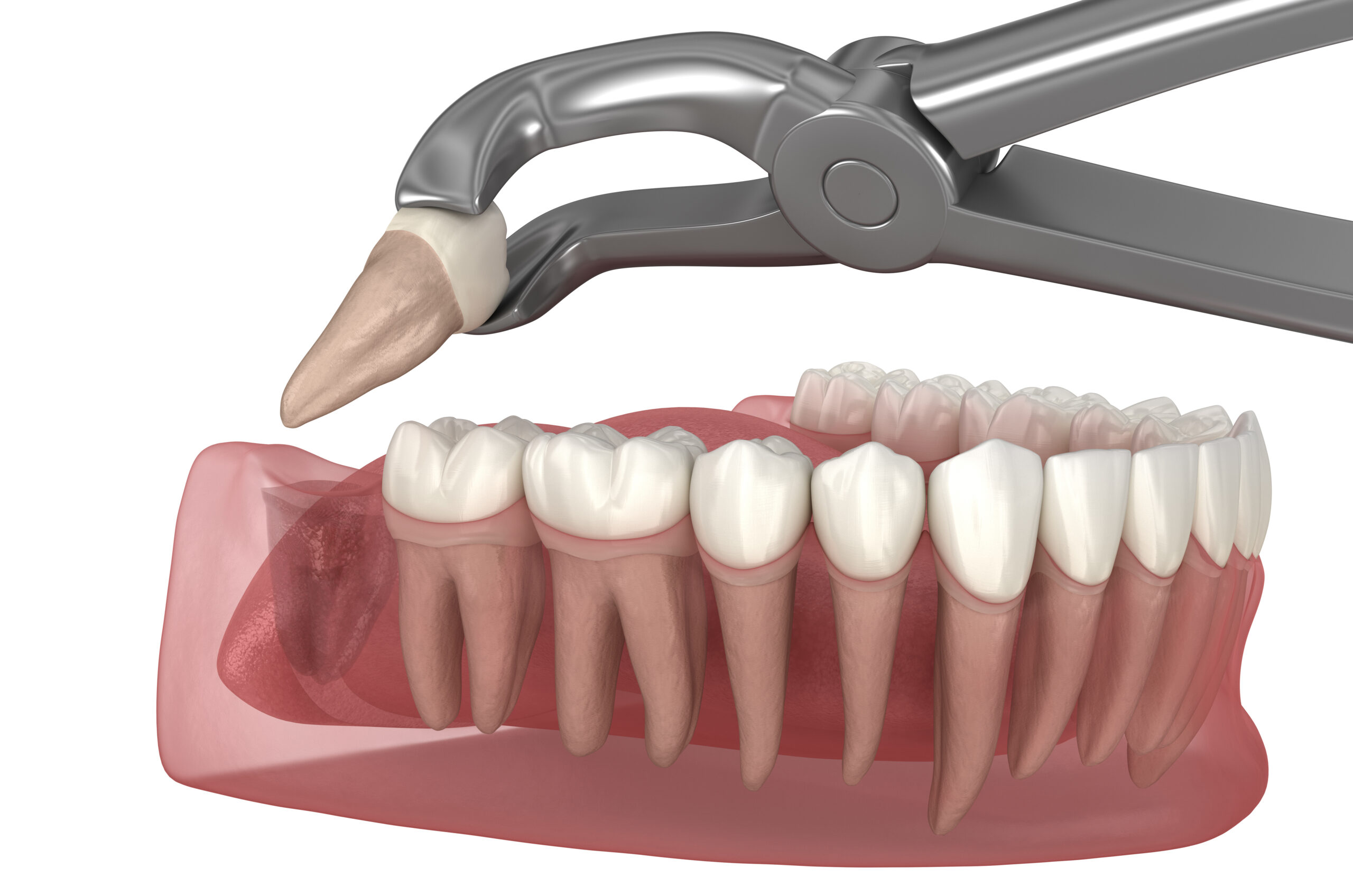
What Wisdom Teeth Are
Wisdom teeth are the third molars located at the very back of the mouth. Most people develop four wisdom teeth, though some may have fewer or none at all. These teeth usually begin erupting between the ages of 17 and 25, a stage historically associated with maturity, which is where the name “wisdom teeth” originated.
The problem is that the jaw often does not have enough room to accommodate these additional molars. When space is limited, wisdom teeth can become impacted beneath the gums, emerge at an angle, or press against nearby teeth. In many cases, patients experience discomfort long before the tooth fully erupts.
Signs You May Need Wisdom Teeth Removal
Not every wisdom tooth needs to be removed, but certain symptoms commonly indicate that extraction may be necessary. Pain in the back of the jaw is one of the most frequent warning signs, especially when chewing or opening the mouth fully. Swollen gums around a partially erupted tooth may also signal infection or irritation caused by trapped bacteria and food particles.
Some patients notice jaw stiffness, headaches, or pressure around neighboring teeth as wisdom teeth begin shifting beneath the gums. Others discover impacted wisdom teeth during a routine dental exam even before symptoms appear. Crowding, damage to nearby molars, and repeated infections are all common reasons removal is recommended.
Impacted Wisdom Teeth and Why They Matter
An impacted wisdom tooth is one that cannot fully emerge because it is blocked by bone, gum tissue, or another tooth. Impacted teeth may remain trapped beneath the gums entirely or partially erupt at an angle.
This condition can lead to several oral health problems over time. Partially erupted wisdom teeth often create pockets where bacteria collect, increasing the likelihood of gum infections and decay. Fully impacted teeth may place pressure on adjacent molars, contribute to jaw discomfort, or develop cysts around the tooth structure.
The Wisdom Teeth Removal Process
1
Consultation
Wisdom teeth removal begins with a comprehensive consultation and digital imaging review. We assess the position of the teeth, the condition of the surrounding bone and gums, and the proximity of nerves and adjacent molars before treatment planning begins.
2
Extraction
On the day of the procedure, the area is numbed thoroughly using local anesthesia to keep you comfortable throughout treatment. Depending on the position of the tooth, removal may involve a simple tooth extraction or a surgical approach for impacted teeth beneath the gums. In some cases, the tooth is divided into smaller sections to allow for more controlled removal while minimizing disruption to surrounding tissue.
3
Cleaning
After the extraction, the area is cleaned carefully and detailed aftercare instructions are provided. Most patients experience mild swelling and soreness for several days following the procedure, which is generally manageable with medication, rest, and ice packs. Recovery timelines vary depending on the complexity of the extraction and the number of teeth removed.
Recovery After Wisdom Teeth Extraction
Healing after wisdom teeth removal is usually straightforward when post-operative instructions are followed carefully. During the first 24 hours, patients are encouraged to rest, avoid strenuous activity, and stick to soft foods while the extraction sites begin healing.
Swelling and mild discomfort are common during the first few days and gradually improve as healing progresses. Ice packs can help reduce swelling, and most patients return to work, school, or normal routines within several days depending on the complexity of the procedure.
Why Early Wisdom Teeth Evaluation Matters
Wisdom teeth are often easier to remove before the roots become fully developed and before complications begin affecting surrounding teeth and bone. Younger patients generally experience faster healing and fewer surgical challenges compared to waiting until later adulthood.
Early evaluation does not always mean immediate removal, but it does allow the teeth to be monitored properly. Some wisdom teeth remain healthy and functional, while others gradually become problematic over time. Imaging and routine exams help determine the best course of action based on your specific anatomy and symptoms.
Why Choose Seleit Dental for Wisdom Teeth Removal
At Seleit Dental, wisdom tooth evaluations are approached with careful planning, patient education, and individualized care. We understand that oral surgery can feel intimidating, especially for patients dealing with pain or anxiety about treatment. Our team takes time to explain the process clearly and answer questions thoroughly before any procedure is scheduled.
Advanced imaging technology allows us to evaluate tooth positioning accurately and identify potential complications before surgery begins. Whether the case involves simple extractions or impacted teeth requiring a more surgical approach, treatment recommendations are based on your specific needs rather than a one-size-fits-all plan.
Reviews
What Diamond Bar Patients Are Saying
Real feedback from people in our community says more than we ever could.
FAQ's
Frequently Asked Questions
How do I know if my wisdom teeth need to be removed?
Wisdom teeth may need removal if they are causing pain, swelling, crowding, infections, or damage to nearby teeth. Even teeth without symptoms may require extraction if imaging shows impaction or future risk to oral health.
Is wisdom teeth removal painful?
The procedure itself is performed under local anesthesia to keep you comfortable during treatment. Most patients experience mild soreness and swelling afterward, which typically improves within several days and can usually be managed with medication and rest.
How long does recovery take after wisdom teeth removal?
Most patients recover enough to resume normal activities within a few days, though complete healing of the extraction sites takes longer. More complex or impacted cases may require additional healing time.
Should wisdom teeth always be removed?
Not necessarily. Some wisdom teeth erupt properly and remain healthy long-term. Removal is recommended when the teeth are impacted, difficult to clean, causing symptoms, or creating risk for future complications.
Can impacted wisdom teeth cause other dental problems?
Yes. Impacted wisdom teeth can contribute to infections, gum disease, cyst formation, crowding, and damage to neighboring teeth if left untreated. Early evaluation helps identify these risks before they worsen.
Schedule Your Wisdom Teeth Consultation
If you are experiencing pain, swelling, jaw pressure, or concerns about impacted wisdom teeth, scheduling an evaluation is the next step toward relief. Seleit Dental provides Wisdom Teeth Removal Diamond Bar, CA patients can rely on for careful treatment planning and compassionate care.
Our office is located at 23525 Golden Springs Dr # D, Diamond Bar, CA 91765. During your consultation, we review imaging, discuss your symptoms, and explain the treatment process clearly before any decisions are made.