
When it comes to straightening teeth, one of the most common questions patients ask is: Invisalign vs braces, which option is better? Both treatments are designed to improve alignment, bite function, and smile appearance, but they work differently and suit different lifestyles and dental needs.
The right choice often depends on factors like treatment complexity, budget, comfort, and your personal preferences. Understanding the differences can help you make a more informed decision before starting your orthodontic journey.
What Is Invisalign?
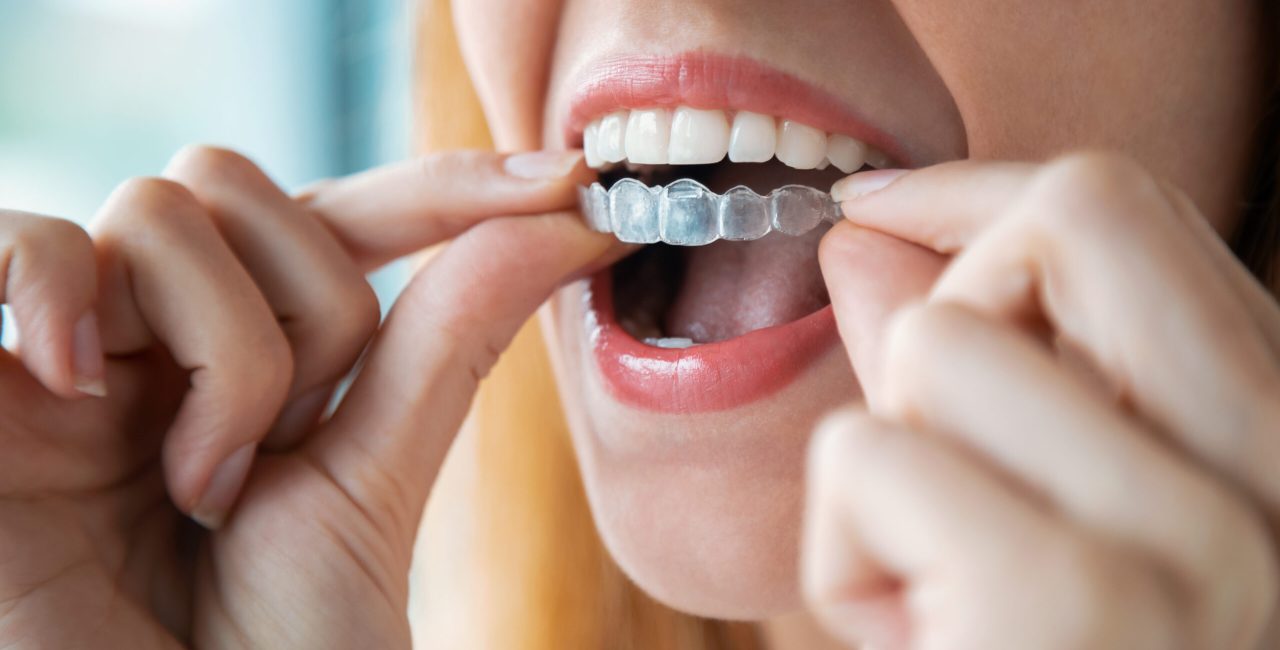
Invisalign uses a series of custom-made, clear plastic aligners that gradually move teeth into the desired position. Each set of aligners is worn for approximately one to two weeks before switching to the next set in the series.
The biggest appeal of Invisalign is its nearly invisible appearance. Since aligners are removable, patients can take them out when eating, brushing, or attending important events.
Pros of Invisalign
- Clear aligners are much less noticeable than traditional braces, making them popular among adults and teenagers.
- You can remove aligners while eating, drinking, brushing, and flossing. This makes maintaining oral hygiene easier compared to fixed braces.
- Since aligners are removed before meals, you can continue enjoying foods that may otherwise damage brackets or wires.
- Many patients find smooth plastic aligners more comfortable because they eliminate metal wires and brackets that can sometimes irritate cheeks and gums.
Cons of Invisalign
- Aligners generally need to be worn for 20–22 hours daily. Frequently removing them may slow treatment progress.
- Complex bite issues or extensive tooth movements may sometimes require traditional braces.
- Because aligners are removable, they can be lost or accidentally thrown away.
What Are Traditional Braces?
Traditional braces use metal brackets attached to teeth and connected by wires that gradually shift teeth into proper alignment. Advances in orthodontics have made braces smaller and more comfortable than they once were.
Braces remain one of the most reliable solutions for correcting mild to severe orthodontic issues.
Pros of Braces
- Braces can address severe crowding, large gaps, bite problems, and significant alignment issues.
- Since braces stay attached to your teeth, there is no risk of forgetting to wear them.
- Orthodontists have used braces successfully for decades, making them a dependable treatment option.
Cons of Braces
- Metal brackets and wires are noticeable and may affect confidence for some patients.
- Sticky, hard, or crunchy foods can damage brackets and wires.
- Brushing and flossing around braces often requires extra effort and specialized tools.
- Wire tightening and adjustments may temporarily create soreness.
Which Option Is Right for You?
Choosing between Invisalign and braces depends on more than cost alone. Consider your daily routine, treatment goals, and dental condition.
Invisalign may be a good option if you:
- Prefer a less noticeable treatment
- Want flexibility while eating
- Can commit to wearing aligners consistently
Braces may be a better choice if you:
- Need complex tooth movement or bite correction
- Want a treatment that does not rely on patient compliance
- Prefer a long-established orthodontic approach
The best way to determine the right treatment is through a professional evaluation. At Seleit Dental, every smile is different, and personalized recommendations can help achieve the most effective results for your unique dental needs.
FAQs
Does Invisalign work faster than braces?
Treatment time varies from patient to patient. Mild to moderate cases with Invisalign may finish quickly, while complex situations can take longer. Braces and Invisalign often have similar overall timelines.
Can Invisalign fix severe overcrowding?
Invisalign can address many alignment concerns, but severe crowding or complex bite issues may sometimes respond better to traditional braces.
Do braces hurt more than Invisalign?
Braces can create discomfort after adjustments because of wire tension. Invisalign patients may also feel pressure when changing aligners, but many consider it less irritating.