
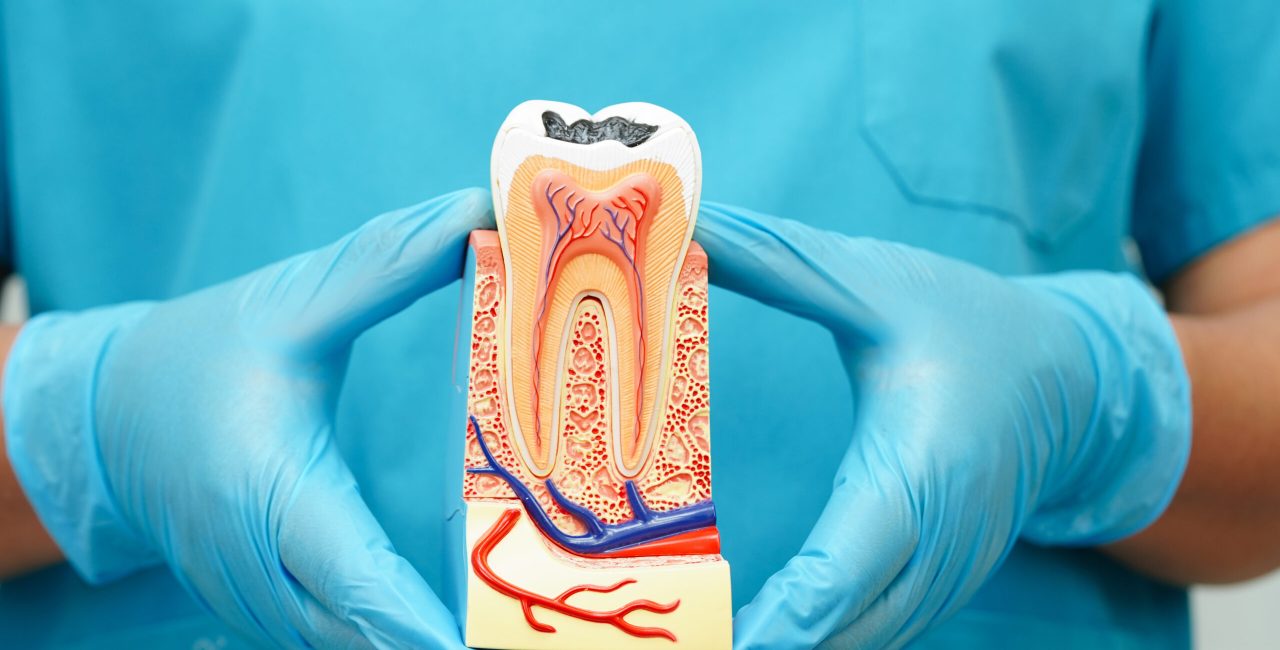
If you’ve been told you may need a root canal, one of your first questions is probably, “Is a root canal painful?” It’s a common concern, especially if you’ve heard stories about root canals being uncomfortable or difficult.
The good news is that modern root canal treatment is designed to relieve pain rather than cause it. With local anesthesia and modern dental techniques, most patients can get through the procedure with little or no significant discomfort. At Seleit Dental in Diamond Bar, CA, the focus is on making dental treatment as comfortable and stress-free as possible.
Is a Root Canal Painful?
A root canal should not be extremely painful when the tooth is properly numbed. Your dentist uses local anesthesia to numb the tooth and surrounding area before treatment begins. The American Dental Association recognizes local anesthetics as an important part of managing dental pain and discomfort during treatment.
You may feel pressure, vibration, or movement while your dentist works on the tooth, but you generally should not feel sharp pain. If you do feel uncomfortable during treatment, let your dentist know so additional anesthetic or other comfort measures can be considered.
In fact, the pain caused by an infected or inflamed tooth can sometimes be worse than the treatment itself. A root canal removes infected or damaged pulp from inside the tooth, helping address the underlying source of the problem.
What Does a Root Canal Feel Like?
Before starting, your dentist will evaluate the tooth and may take dental X-rays to understand the extent of the infection or damage. Once the treatment area is numb, a small opening is made in the tooth so the infected pulp can be removed.
The canals inside the tooth are then carefully cleaned, shaped, and sealed. The goal is to eliminate infection while preserving your natural tooth.
During the procedure, you may notice some pressure or hear the sounds of dental instruments. These sensations can feel unusual, but they are generally different from the sharp pain associated with an untreated toothache.
If dental anxiety is a concern, talk with your dentist before treatment. Seleit Dental offers local anesthesia and oral conscious sedation options for patients who need additional help feeling comfortable.
What to Expect After a Root Canal
It is normal to have some tenderness or mild soreness after root canal treatment, particularly when biting or chewing. The American Dental Association classifies routine endodontic treatment among procedures where expected post-treatment pain is generally mild.
Your dentist may recommend appropriate pain-relief measures based on your individual situation. The ADA’s current guidance generally favors non-opioid medications as first-line options for temporary dental pain when appropriate.
For the first few days, you may want to avoid putting unnecessary pressure on the treated tooth until your dentist has completed or recommended the appropriate final restoration. Depending on the condition of the tooth, a dental crown may be recommended to restore strength and protect it from further damage.
When Should You See a Dentist for Root Canal Pain?
Persistent tooth pain, sensitivity to hot or cold, pain when biting, swelling, or tenderness around a tooth can be signs that something needs professional attention. These symptoms don’t necessarily mean you need a root canal, but they should not be ignored.
Severe or worsening pain, facial swelling, fever, or feeling generally unwell can require prompt dental evaluation. Dental treatment addresses the underlying cause of many tooth infections; antibiotics are not routinely recommended for most localized dental pain without systemic involvement.
If you are experiencing tooth pain in Diamond Bar, an evaluation can help determine what’s causing it and whether root canal treatment is appropriate.
Is a Root Canal Worth It?
When a tooth can be saved, root canal treatment can allow you to keep your natural tooth instead of having it extracted. Modern treatment is much more comfortable than the reputation root canals have earned over the years.
If you are searching for a dentist in Diamond Bar, CA because you are worried about root canal pain, Seleit Dental provides comfort-focused dental care at its Diamond Bar office. The practice emphasizes clear communication and personalized treatment to help patients feel informed and comfortable throughout their care.
Why Choose Seleit Dental for Your Root Canal in Diamond Bar?
How comfortable a root canal feels has a lot to do with who is performing it. Experience shapes how efficiently the tooth is accessed, how thoroughly the canals are cleaned, and how well anesthesia is managed from start to finish.
Dr. Mohamed Seleit has been practicing dentistry since 1995, which means patients in Diamond Bar are treated by a dentist with more than two decades of hands-on clinical experience. He earned his Doctor of Dental Surgery degree from Alexandria University and completed his dental board examinations in 2003.
Dr. Seleit has continued to pursue advanced training throughout his career, including:
- A full-mouth rehabilitation program in fixed and removable prosthetics
- Cosmetic dentistry training at NYU
- Implant dentistry training in Boston
That training matters for root canal treatment because saving the tooth is only the first half of the job. The crown or restoration that follows determines how comfortably the tooth bites, chews, and holds up over the years ahead.
Frequently Asked Questions
1. Is a root canal painful?
With proper local anesthesia, most patients should not experience significant pain during a root canal. Some pressure or vibration is normal, while mild soreness can occur afterward.
2. How long does root canal pain last?
Mild tenderness after treatment is common and typically improves as the tooth heals. Contact your dentist if pain becomes severe, worsens, or does not improve.
3. Is a root canal more painful than a filling?
The experience varies from person to person. Both procedures are performed with local anesthesia, and the amount of discomfort can depend on the condition of the tooth being treated.