
Overview
Dental Bridges & Implant Supported Bridges in Diamond Bar, CA
Replace missing teeth with a secure, natural-looking restoration designed to restore comfort, confidence, and everyday function.
Missing teeth can make eating more difficult, affect the way you speak, and change the balance of your bite over time. Dental bridges are designed to fill those spaces with durable replacement teeth that blend naturally with your smile while restoring stability and function. As part of our restorative dentistry services at Seleit Dental, we provide both traditional dental bridges and implant supported bridges for patients looking for long-term tooth replacement options in Diamond Bar.
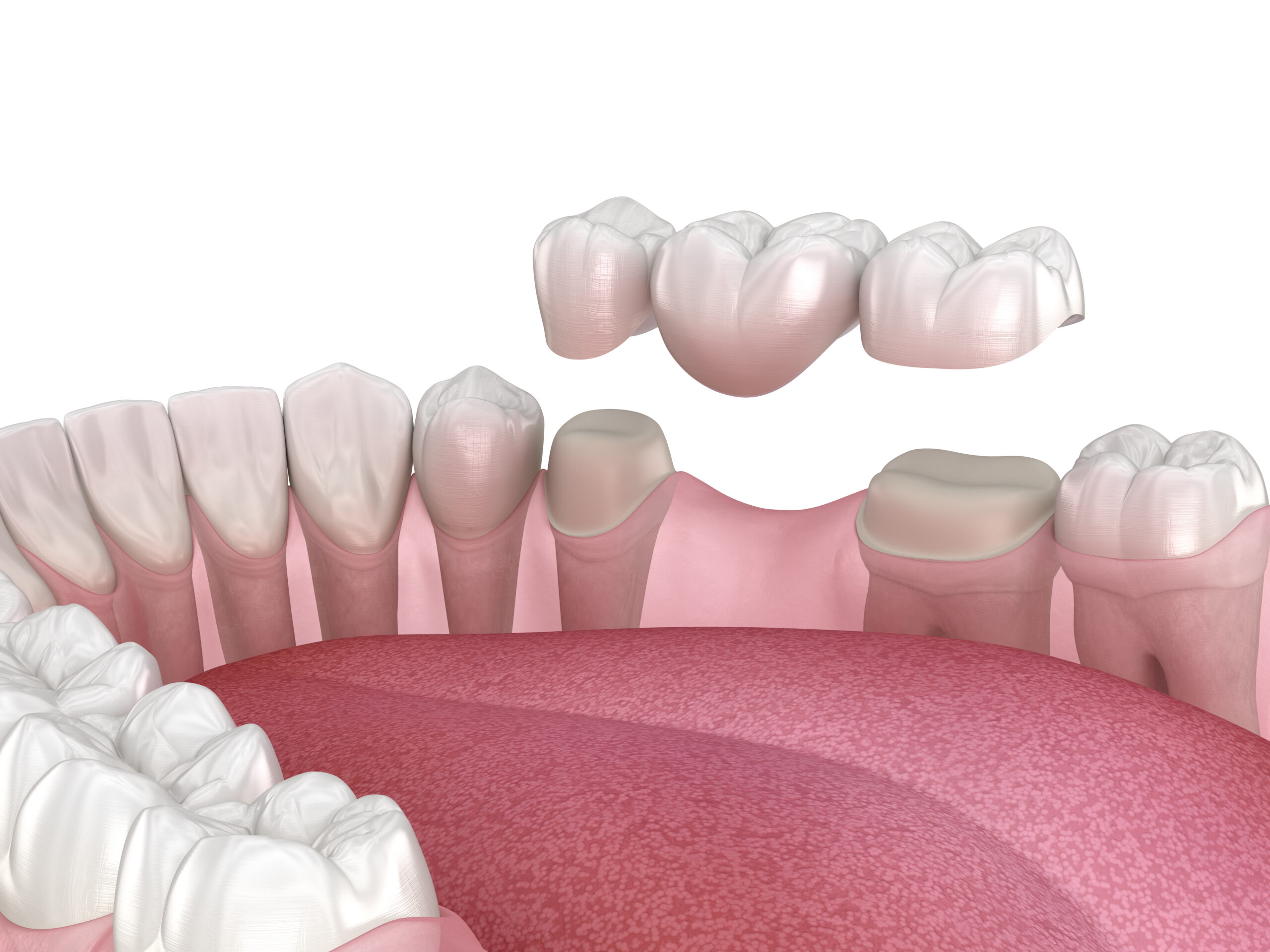
What Dental Bridges Are
Dental bridges are fixed restorations used to replace one or more missing teeth. The bridge fills the empty space with an artificial tooth that is anchored securely by neighboring teeth or dental implants. Once placed, the restoration stays fixed in the mouth and functions much like natural teeth.
Traditional bridges are typically supported by crowns placed over the healthy teeth adjacent to the gap. Implant supported bridges, on the other hand, are secured directly to dental implants placed in the jawbone. Both options restore appearance and chewing ability while helping maintain proper spacing between surrounding teeth.
Traditional Dental Bridges vs. Implant Supported Bridges
Traditional bridges and implant supported bridges achieve the same goal, but they do so in different ways. The right option depends on the number of missing teeth, the health of the surrounding teeth, and the condition of the jawbone.
A traditional bridge relies on neighboring teeth for support. The teeth on either side of the missing tooth are prepared for crowns, and the replacement tooth is attached between them. This approach is often effective when the adjacent teeth already require crowns or restorations themselves.
Implant supported bridges use dental implants instead of natural teeth for support. Titanium posts are placed into the jawbone, where they integrate with the bone and act like artificial tooth roots. The bridge is then attached to those implants for added stability and long-term support.
What Dental Bridges Restore
Replacing missing teeth is about more than appearance alone. Gaps left untreated can gradually affect surrounding teeth, jaw alignment, chewing efficiency, and even speech clarity.
Dental bridges restore the ability to chew more comfortably by distributing bite pressure evenly across the arch. They also prevent neighboring teeth from drifting into empty spaces, which can otherwise create bite problems and uneven wear. Patients often notice improved pronunciation and greater confidence in social settings once the restoration is complete.
Implant supported bridges add another level of support by helping preserve the jawbone beneath the missing tooth area. Bone loss begins after teeth are lost because there are no longer roots stimulating the bone tissue. Implant posts help maintain that stimulation, supporting long-term oral structure and facial balance.
How the Process Works
Every bridge treatment at Seleit Dental begins with a detailed examination and treatment plan tailored to the patient’s needs. The process differs slightly depending on whether a traditional bridge or implant supported bridge is recommended.
1
Evaluation and Imaging
The first step involves examining the teeth, gums, and supporting bone structure. Digital imaging allows us to assess the condition of adjacent teeth and determine whether implants may be an option. During this appointment, we also discuss your goals, timeline, and any restorative concerns you may have.
2
Tooth Preparation or Implant Placement
For traditional bridges, the supporting teeth are carefully shaped so crowns can fit securely over them. Impressions are then taken to create a custom bridge designed to match your bite and natural tooth color.
3
Custom Bridge Fabrication
Each bridge is custom-made to blend naturally with your surrounding teeth. Shape, shade, contour, and bite alignment are carefully designed to ensure the restoration feels comfortable and looks balanced within your smile.
4
Final Placement
At the final appointment, the completed bridge is securely placed and adjusted for comfort and bite alignment. Patients are typically able to resume normal daily activities shortly afterward, with only a brief adjustment period as the mouth adapts to the restoration.
Why Seleit Dental for Dental Bridges in Diamond Bar
At Seleit Dental, restorative dentistry is approached with both function and aesthetics in mind. Every bridge treatment is carefully planned to restore comfort, protect long-term oral health, and create results that look natural within your smile.
We take time to explain your options clearly before treatment begins so you understand the differences between traditional bridges and implant supported bridges, along with what each process involves. Imaging, bite evaluation, and restorative planning are all completed before treatment moves forward, giving patients a clear understanding of timelines and expectations.
Reviews
What Diamond Bar Patients Are Saying
Real feedback from people in our community says more than we ever could.
FAQ's
Frequently Asked Questions
How long do dental bridges last?
The lifespan of a dental bridge depends on oral hygiene, bite habits, and the type of restoration placed. Many traditional bridges last well over a decade with proper care, while implant supported bridges can last significantly longer when maintained with regular cleanings and routine dental visits.
Are implant supported bridges better than traditional bridges?
Each option has advantages depending on the situation. Implant supported bridges provide excellent stability and help preserve bone density because they replace missing roots as well as teeth. Traditional bridges may be more appropriate when neighboring teeth already require crowns or when implants are not ideal for the patient’s condition.
Will my bridge look natural?
Yes. Every bridge is custom-designed to match the surrounding teeth in shape, shade, and contour. The goal is for the restoration to blend naturally with your smile while restoring proper function.
Is getting a dental bridge painful?
Bridge treatment is typically completed under local anesthesia, and most patients experience little discomfort during the procedure itself. Mild soreness or sensitivity afterward is common but usually temporary and manageable with over-the-counter medication.
How do I care for a dental bridge?
Dental bridges should be brushed and cleaned daily just like natural teeth. Special flossing tools may be recommended to clean beneath the bridge area effectively. Routine dental checkups and professional cleanings also help maintain the restoration and surrounding teeth long-term.
Schedule Your Dental Bridge Consultation
If you are searching for Dental Bridges + implant supported bridges Diamond Bar, CA, Seleit Dental provides personalized restorative solutions designed to rebuild both function and confidence. Whether you are replacing a single tooth or multiple missing teeth, your consultation includes a full evaluation, imaging review, and treatment discussion tailored to your needs.
Seleit Dental is located at 23525 Golden Springs Dr # D, Diamond Bar, CA 91765. We take time to explain your options clearly, review your restorative goals, and provide a complete treatment overview before any work begins.