
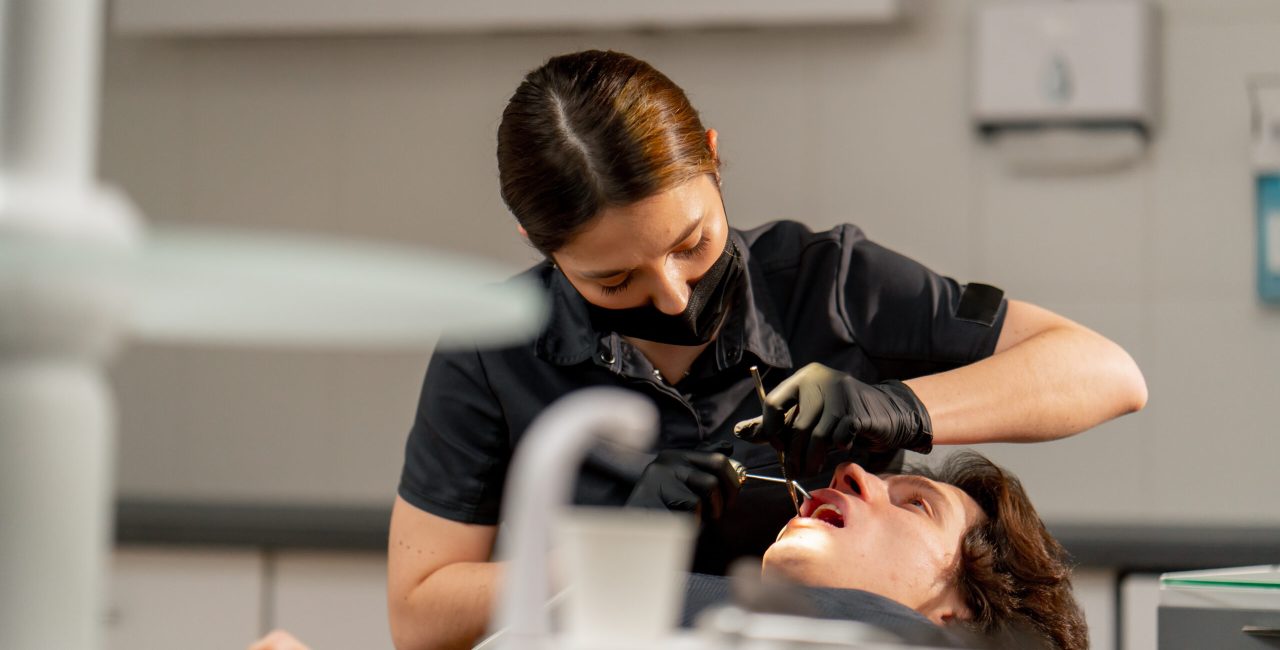
For many people, visiting the dentist can bring feelings of nervousness, stress, or fear. Dental anxiety is more common than most people realize, and it can affect patients of all ages. Some individuals worry about pain, dental instruments, past experiences, or simply not knowing what to expect during treatment.
At Seleit Dental, we understand that feeling comfortable and confident during your appointment is just as important as receiving quality dental care. The good news is that dental anxiety can be managed with the right approach, preparation, and communication. By taking a few simple steps before your visit, you can make your dental experience much easier and more relaxing.
Why Do People Experience Dental Anxiety?
Dental anxiety can develop for many different reasons. Some patients have had uncomfortable dental experiences in the past, while others may feel anxious because of stories they have heard from others.
Common causes of dental fear include:
- Fear of pain or discomfort
- Anxiety about needles or dental equipment
- Feeling a lack of control during treatment
- Embarrassment about existing oral health concerns
- Negative past experiences with dental care
Understanding the reason behind your anxiety is the first step toward finding effective ways to manage it.
How to Manage Dental Anxiety Before Your Appointment
1. Talk Openly With Your Dentist About Your Concerns
One of the most effective ways to manage dental anxiety is to communicate with your dental team. Before your appointment begins, let your dentist know that you feel nervous or uncomfortable.
A caring dentist can explain each step of your treatment, answer your questions, and adjust the approach to help you feel more relaxed. Knowing that your concerns are understood can reduce stress and build trust.
2. Practice Relaxation and Breathing Techniques
Simple relaxation techniques can help calm your mind before and during your dental visit. Deep breathing exercises are especially helpful because they can lower stress levels and help you feel more in control.
Try taking slow, deep breaths before your appointment. Focusing on steady breathing can reduce feelings of panic and help your body relax.
Other calming techniques, such as meditation or listening to relaxing music before your visit, may also help create a more positive mindset.
3. Learn What to Expect During Your Appointment
Uncertainty is a major cause of dental fear. Many patients feel anxious because they do not know what will happen during their visit.
Ask your dentist about the procedure beforehand and request explanations about each step. Understanding the process can make your appointment feel more predictable and less intimidating.
A comfortable dental visit starts with feeling informed and prepared.
4. Use Distraction Methods During Treatment
Keeping your mind occupied can help reduce anxiety during dental procedures. Many patients find that listening to music, podcasts, or audiobooks through headphones helps them feel calmer.
Some people also use simple mental distractions, such as focusing on breathing or thinking about a relaxing place. These techniques can make the experience feel shorter and more manageable.
5. Choose a Dentist Who Provides Anxiety-Friendly Care
Finding a dental practice that prioritizes patient comfort can make a significant difference. A supportive dental team understands that every patient has different needs and concerns.
At Seleits Dental, we focus on creating a welcoming environment where patients feel heard, respected, and comfortable throughout their dental journey.
Conclusion
Dental anxiety should not prevent you from maintaining a healthy smile. By preparing before your appointment, communicating openly with your dentist, and using calming techniques, you can make your dental visits more comfortable.
At Seleit Dental, we believe that every patient deserves a positive, stress-free dental experience. If you are looking for compassionate dental care and support with dental anxiety, our team is here to help you feel confident at every visit.
FAQs
1. What is the best way to manage dental anxiety before an appointment?
The best way to manage dental anxiety is to prepare ahead of time. Communicating your concerns with your dentist, practicing relaxation techniques, and understanding what to expect can help reduce fear.
2. Can I tell my dentist that I am afraid of dental treatment?
Yes. Dentists regularly work with patients who experience dental anxiety. Sharing your concerns allows your dental team to provide personalized care and make your visit more comfortable.
3. Does dental anxiety mean I need sedation dentistry?
Not always. Many patients can manage dental anxiety through communication, relaxation techniques, and a supportive dental environment. For severe anxiety, sedation options may be discussed with your dentist.
4. How can I stay calm during a dental procedure?
Deep breathing, listening to music, focusing on relaxation, and asking your dentist to explain each step can help you stay calm during treatment.
5. Can avoiding the dentist make dental anxiety worse?
Yes. Avoiding dental visits can increase anxiety over time and may allow oral health problems to become more complicated. Regular checkups can help you maintain your smile and build confidence in dental care.