
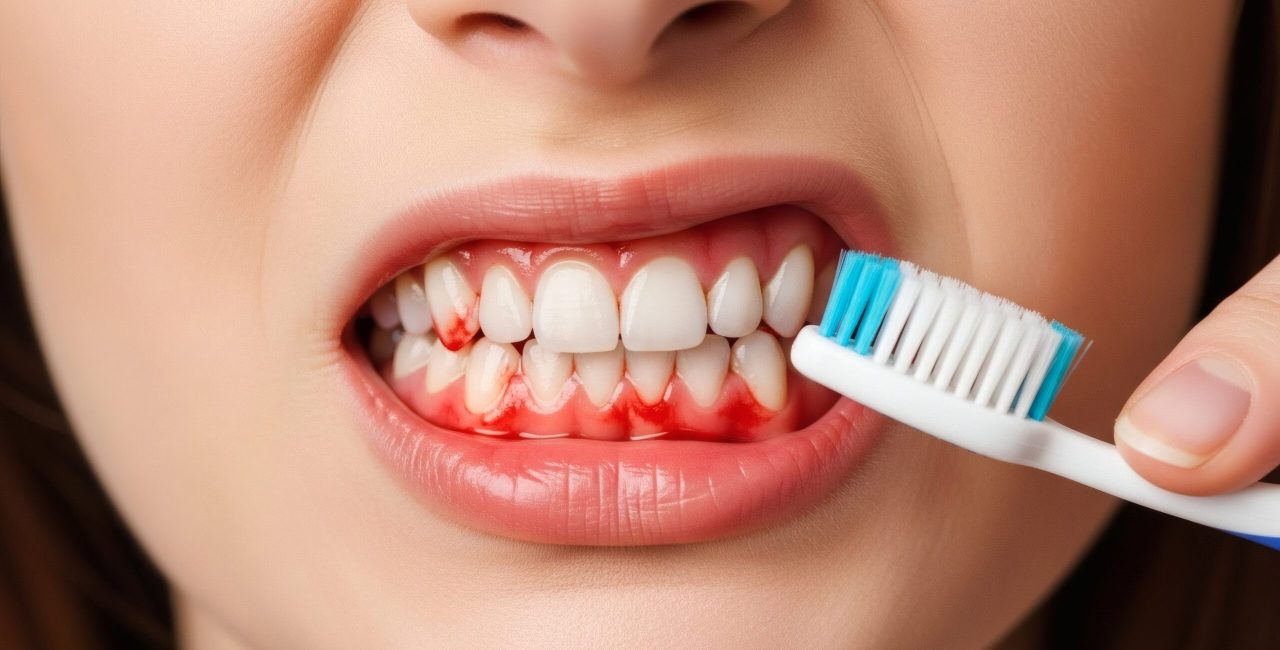
Noticing blood in the sink after brushing your teeth can be concerning. While occasional bleeding may happen because of brushing too hard, frequent bleeding gums can indicate an underlying oral health problem. The good news is that many causes are treatable, especially when addressed early.
Understanding why your gums bleed and knowing how to respond can help protect your smile and prevent more serious dental problems.
Why Do Your Gums Bleed When You Brush?
Healthy gums generally shouldn’t bleed during regular brushing. If yours do, several factors could be responsible.
Plaque Buildup and Gingivitis
One of the most common causes of bleeding gums is gingivitis, the earliest stage of gum disease. It develops when plaque, a sticky film of bacteria, accumulates along the gumline.
Without proper cleaning, plaque irritates the gums, causing inflammation, redness, swelling, and bleeding. Fortunately, gingivitis is usually reversible with improved oral hygiene and professional dental care.
Brushing Too Hard and Other Causes
Using a hard-bristled toothbrush or applying excessive pressure can injure delicate gum tissue. Inconsistent flossing, hormonal changes during pregnancy, certain medications, and vitamin deficiencies may also contribute to gum bleeding.
Persistent symptoms shouldn’t be dismissed as a normal part of brushing.
What Should You Do If Your Gums Bleed While Brushing?
If you notice blood while brushing, don’t panic or immediately stop cleaning your teeth. Instead, focus on gentle oral care and identifying the possible cause.
Use a Soft-Bristled Toothbrush
Switch to a soft-bristled toothbrush and brush using gentle, circular movements. Avoid aggressive scrubbing, especially near the gumline.
Brush twice daily with fluoride toothpaste to remove plaque without irritating sensitive gum tissue.
Keep Brushing and Flossing Gently
Stopping brushing or flossing because your gums bleed can allow more plaque to accumulate, potentially worsening inflammation.
Continue cleaning between your teeth once daily, using gentle movements. If you’re new to flossing, mild bleeding may improve as your gums become healthier. However, ongoing bleeding requires professional evaluation.
Try a Warm Saltwater Rinse
A warm saltwater rinse may temporarily soothe irritated gums. Mix half a teaspoon of salt into a glass of warm water, rinse gently, and spit it out.
Although this can provide temporary comfort, it doesn’t remove hardened tartar or treat underlying periodontal disease.
When Should You See a Dentist for Bleeding Gums?
Occasional bleeding from brushing too aggressively may improve after adjusting your technique. However, persistent or recurring bleeding gums deserve professional attention.
Schedule a dental appointment if you experience swollen or tender gums, persistent bad breath, gum recession, or bleeding that continues despite gentle brushing and consistent flossing.
A dentist can examine your gums, identify plaque or tartar buildup, and recommend appropriate treatment. Severe or uncontrolled bleeding requires prompt medical attention.
How Can You Prevent Your Gums From Bleeding?
Maintaining healthy gums starts with consistent daily habits. Brush twice daily with a soft toothbrush, clean between your teeth, and attend regular dental checkups.
Avoid tobacco products, eat a balanced diet, and replace your toothbrush when its bristles become worn.
Professional cleanings are particularly important because hardened tartar cannot be removed through brushing alone. Addressing early signs of gum inflammation can reduce the risk of more advanced gum disease.
Final Thoughts
Bleeding gums shouldn’t become something you simply accept. Whether the cause is improper brushing or early gum disease, taking action can make a meaningful difference.
At Seleit’s Dental, we encourage proactive dental care to help maintain healthy gums and a confident smile. If bleeding continues, a professional dental examination is the best next step.
Frequently Asked Questions About Bleeding Gums
1. Can a vitamin deficiency cause bleeding gums?
Yes. Vitamin C deficiency can weaken gum tissue, while vitamin K deficiency may affect normal blood clotting. However, plaque-related gum inflammation is a more common cause.
2. Why do my gums bleed even when I use a soft toothbrush?
Bleeding may result from existing gum inflammation, plaque buildup, or other health factors. A soft toothbrush helps reduce irritation but doesn’t necessarily resolve the underlying cause.
3. Can stress contribute to bleeding gums?
Stress may indirectly affect gum health by influencing immune function and daily oral hygiene habits. However, stress alone shouldn’t be assumed to explain persistent bleeding.
4. Is it safe to use mouthwash when your gums are bleeding?
An alcohol-free mouthwash may be suitable, depending on the cause of bleeding. However, mouthwash cannot replace brushing, flossing, or professional treatment.
5. Can bleeding gums indicate a more serious health problem?
Yes. Persistent bleeding can indicate periodontal disease and, less commonly, certain blood disorders or other medical conditions. A dental evaluation can help determine whether further medical assessment is needed.