
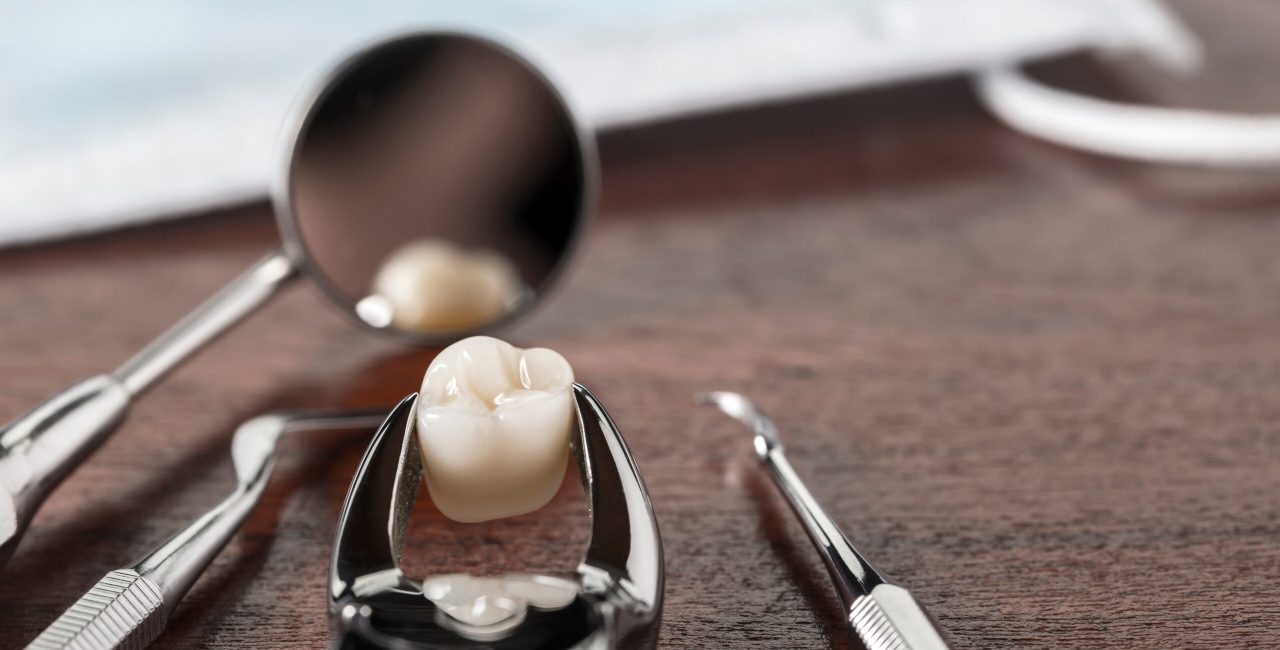
Hearing that you need a tooth removed can feel overwhelming, but in many cases, a tooth extraction is the best step toward protecting your long-term oral health. Whether you’re dealing with severe tooth pain, a damaged tooth, or impacted wisdom teeth, knowing what to expect can make the process much less stressful.
If you’re searching for tooth extraction in Diamond Bar, this guide explains when an extraction is necessary, how to prepare, and what you can do for a smooth recovery.
When Is a Tooth Extraction Necessary?
Dentists always aim to preserve natural teeth whenever possible. However, there are situations where removing a tooth is the healthiest option. You may need a tooth extraction if you have:
- A severely decayed tooth that cannot be restored with a filling or crown
- Advanced gum disease causing loose teeth
- A cracked or broken tooth below the gum line
- Impacted or painful wisdom teeth
- Dental trauma from an accident
- Overcrowding before orthodontic treatment
A comprehensive dental examination, including X-rays, helps determine whether an extraction is truly the best treatment for your situation.
Common Signs You Shouldn’t Ignore
Some dental problems require prompt attention. Contact your dentist if you experience:
- Persistent or severe tooth pain
- Swelling around the gums or jaw
- A tooth that feels loose
- Difficulty chewing because of pain
- Recurring infections or abscesses
- Bleeding or pus around a tooth
Ignoring these symptoms can allow the infection to spread, making treatment more complex.
What Happens During a Tooth Extraction?
One of the biggest concerns patients have is whether the procedure will hurt. Modern dentistry makes tooth extractions far more comfortable than many people expect.
Your dentist will first numb the area with a local anesthetic. Depending on the complexity of the case, especially for impacted wisdom teeth, additional sedation options may also be available to help you relax.
There are generally two types of extractions:
Simple Extraction
A simple extraction is performed when the tooth is visible above the gum line. The dentist gently loosens and removes the tooth using specialized instruments.
Surgical Extraction
A surgical extraction is recommended for teeth that are impacted, broken below the gum line, or difficult to access. This procedure may involve making a small incision in the gum to safely remove the tooth.
Your dentist will explain which approach is appropriate for your individual needs.
Preparing for Your Appointment
A little preparation can help your visit go smoothly.
Before your appointment:
- Share your complete medical history and current medications.
- Follow any eating or drinking instructions if sedation is planned.
- Arrange transportation if you’ll receive sedation.
- Wear comfortable clothing and avoid smoking before the procedure.
Being well prepared helps reduce anxiety and supports a smoother recovery.
Recovery Tips After a Tooth Extraction
Healing usually begins immediately after the procedure, and most patients recover within several days.
To promote proper healing:
- Bite gently on the gauze as directed.
- Rest during the first 24 hours.
- Apply an ice pack to reduce swelling.
- Eat soft foods like yogurt, mashed potatoes, smoothies, and soup.
- Avoid drinking through a straw, smoking, or vigorous rinsing for the first few days.
- Brush carefully while avoiding the extraction site.
Following your dentist’s aftercare instructions greatly reduces the risk of complications such as dry socket.
Can a Missing Tooth Be Replaced?
Yes. Depending on which tooth was removed, your dentist may recommend replacing it to maintain proper chewing function and prevent nearby teeth from shifting.
Common replacement options include dental implants, bridges, or partial dentures. Your dentist will help determine the most suitable solution based on your oral health, budget, and long-term goals.
Frequently Asked Questions
1. Can I drive myself home after a tooth extraction?
If only local anesthesia is used, most patients can drive themselves home. However, if you receive sedation, you should arrange for someone else to drive you.
2. How long should I wait before exercising after a tooth extraction?
It’s generally best to avoid strenuous exercise for at least 48 hours, as increased blood pressure may interfere with clot formation and healing.
3. Can I drink coffee after having a tooth removed?
It’s recommended to avoid hot beverages, including coffee, during the first 24 hours because heat can disrupt the blood clot and slow healing.